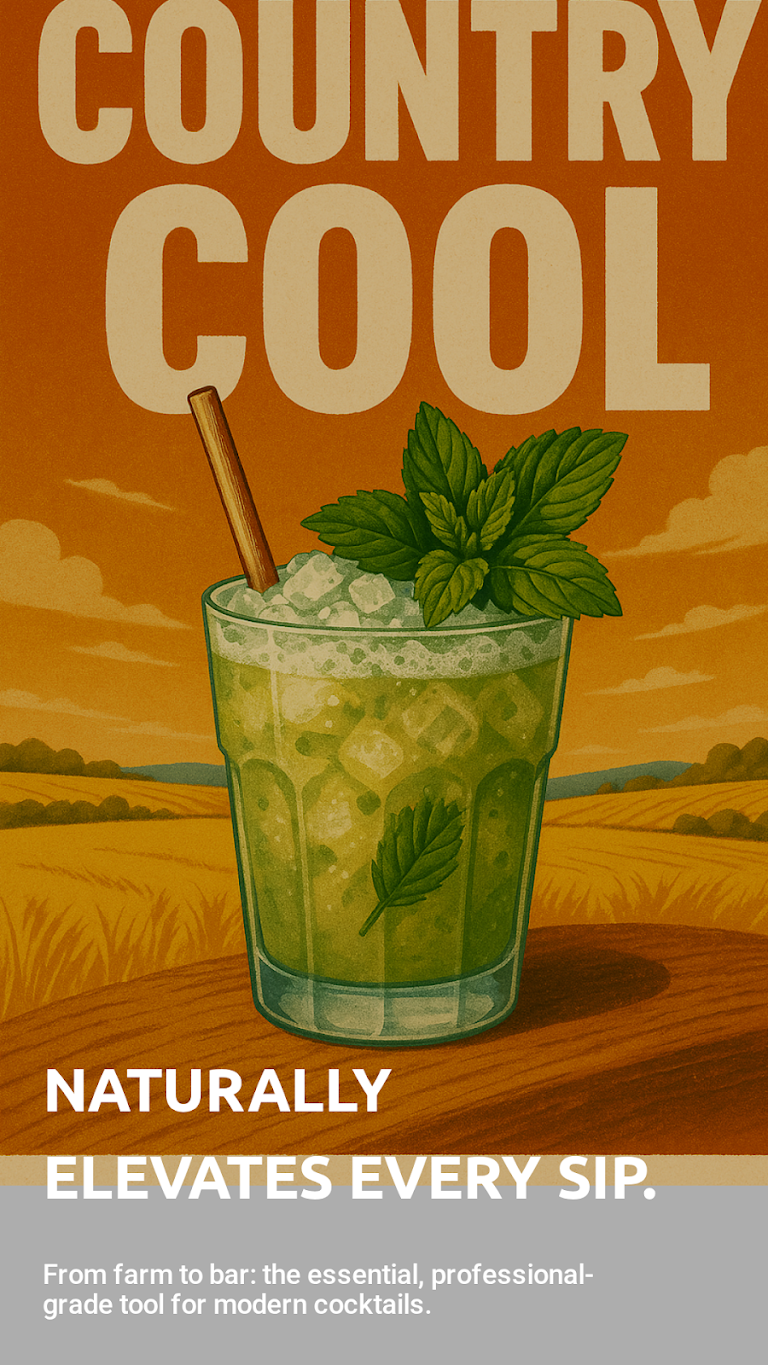
Country Cool:
The Natural Straw Revival
From Victorian cocktail bars to craft distilleries — why the world's best bartenders are returning to the original straw, and what a photograph from 1887 tells us about where we're headed.
Naturally Straws
Locally Grown · Naturally Straws
There is a photograph from 1887 that circulates occasionally among cocktail historians. It shows the bar at the Criterion in London — marble countertop, gas lamps, a row of crystal decanters — and in the foreground, a gentleman in a frock coat is sipping a gin fizz through a thin, pale straw. The straw is naturally grown. It is the same straw that Naturally Straws grows today. The photograph predates the paper straw by sixty years and the plastic straw by seventy.
The natural natural straw was not invented. It was discovered — or rather, it was simply used, the way a river stone is used as a paperweight. The hollow stem of the natural grass plant, dried and cut to length, is a straw. It requires no processing, no additives, no manufacturing. It is a grass that grew in a field and was cut at the right moment. The Victorians understood this. They used it in their gin palaces, their hotel bars, their railway refreshment rooms. It was the straw. There was no other kind.
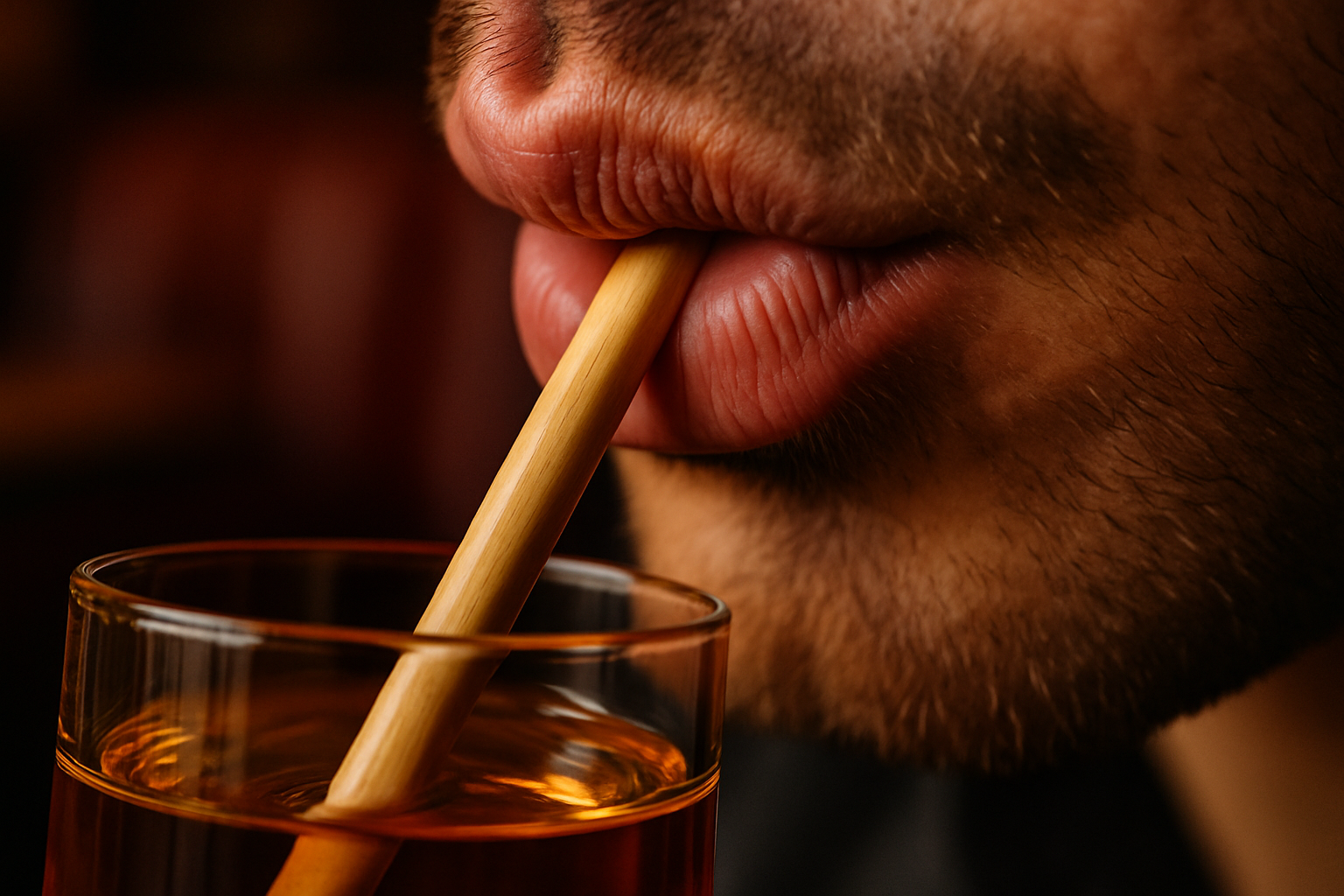
The Victorian cocktail bar: marble, crystal, gas lamps — and a natural natural straw in every glass.
The Interruption
The plastic straw arrived in the 1960s and displaced the natural straw almost overnight. It was cheaper, more consistent, and easier to manufacture at scale. The natural natural straw — which required a harvest window, a drying process, and careful handling — could not compete on unit economics. It disappeared from bars and cafes within a decade, surviving only in a handful of specialty cocktail establishments that valued the aesthetic and the mouthfeel above the cost savings.
For fifty years, the plastic straw was the straw. Then the turtle video happened. Then the beach surveys. Then the microplastic research. The plastic straw became a symbol — unfairly, perhaps, given that it represents a fraction of total plastic pollution — of a broader recklessness with single-use materials. Bans followed. Paper straws arrived as the replacement. And the paper straw era, which lasted roughly from 2018 to the present, has been one of the most universally disliked product transitions in the history of hospitality.
The natural straw is not a reaction to the paper straw. It predates the paper straw by sixty years. It is simply the original, returned.
Why Bartenders Are Coming Back
The bartenders who have switched to natural natural straws do not talk about sustainability first. They talk about the drink. The natural straw does not change the flavour of a cocktail. It does not collapse mid-service. It does not leave a pulpy residue at the bottom of the glass. It holds its structure for the full duration of a drink — hot or cold — and then it goes in the compost bin. For a bartender who has spent years crafting a Negroni to precise specifications, the idea that the straw should be a neutral delivery mechanism — not a flavour contributor, not a structural liability — is not a radical proposition. It is simply correct.
The craft distillery movement has been particularly receptive. Distilleries in Scotland, Ireland, Kentucky, and Canada have been among the earliest wholesale adopters. The reason is partly aesthetic — a natural natural straw in a glass of single malt is visually coherent in a way that a paper straw is not — and partly philosophical. A distillery that ages its whisky in oak for twelve years and sources its barley from a named farm is not going to serve it through a straw made in a factory from bleached wood pulp. The natural straw fits the story.
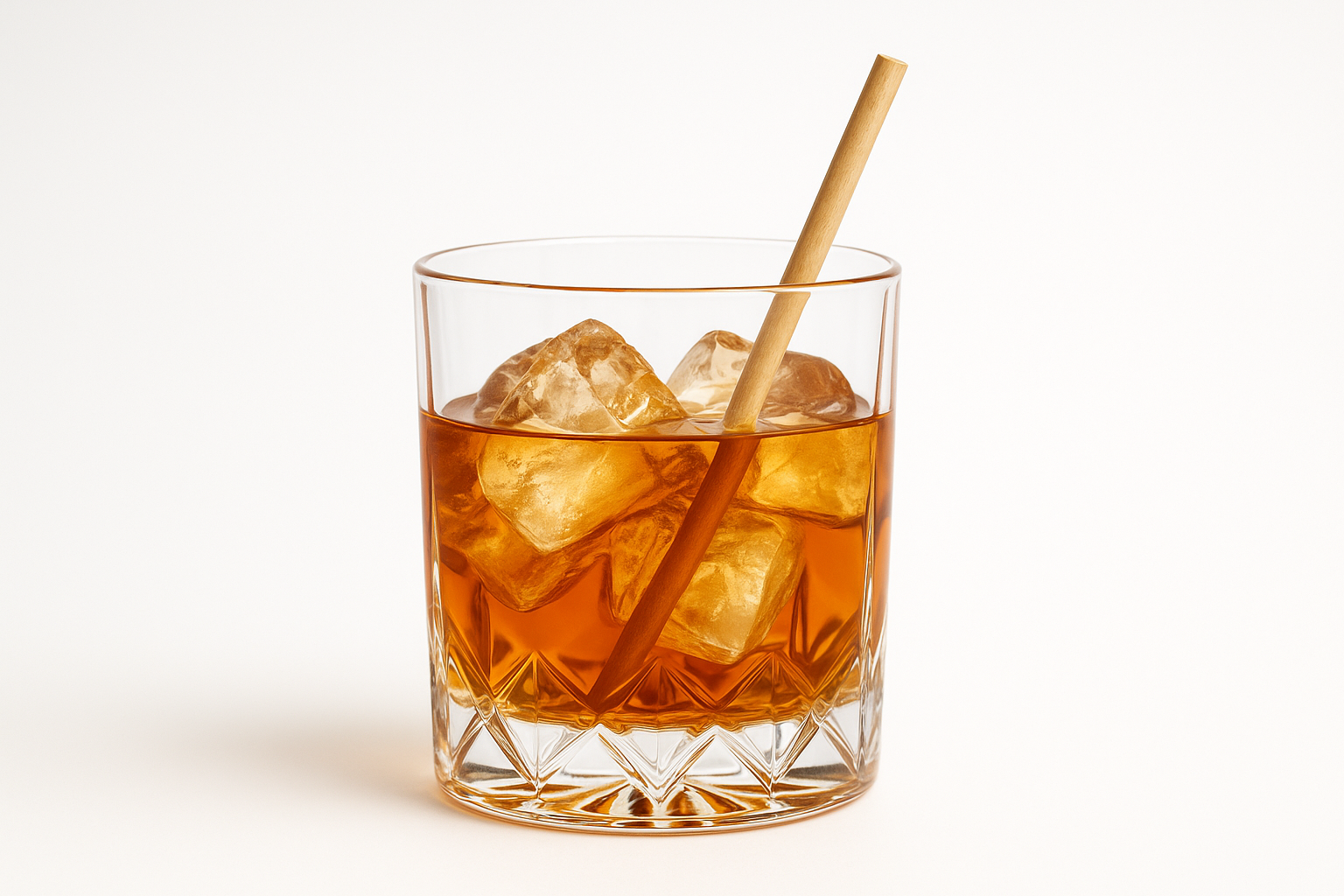
A single malt deserves a straw that doesn't change it. The natural natural straw is flavour-neutral, structurally stable, and compostable.
The Country Cool Aesthetic
There is a broader cultural current at work here. The term "country cool" — used loosely to describe a sensibility that values provenance, craft, and the tangible over the manufactured and the disposable — has been gaining traction in hospitality design, menu writing, and brand identity for several years. It is not nostalgia, exactly. It is not a rejection of modernity. It is a preference for things that are what they say they are: a whisky from a named distillery, a cocktail made with fresh juice, a straw grown in a field and cut to length.
The natural natural straw fits this aesthetic perfectly. It is a farm product. It has a provenance — locally grown, pesticide-free, harvested at the right moment in the plant's life cycle. It has a story that a paper straw, manufactured in a factory from processed wood pulp, does not have. And increasingly, the bars and cafes that are building their identity around provenance and craft are finding that the straw is part of that story.

The natural natural straw: locally grown, pesticide-free, compostable. The original straw, returned.
The Farm Behind the Straw
Our founding Canadian partner farm has been growing natural grass for over a decade in the Fraser Valley, and the transition to straw production was not a pivot so much as a recognition. The hollow stem of the natural grass plant, which farmers had always regarded as agricultural waste, was the product. It just needed to be harvested at the right moment — before the stem fills in, while the hollow is still clean and consistent — dried carefully, and cut to the right length.
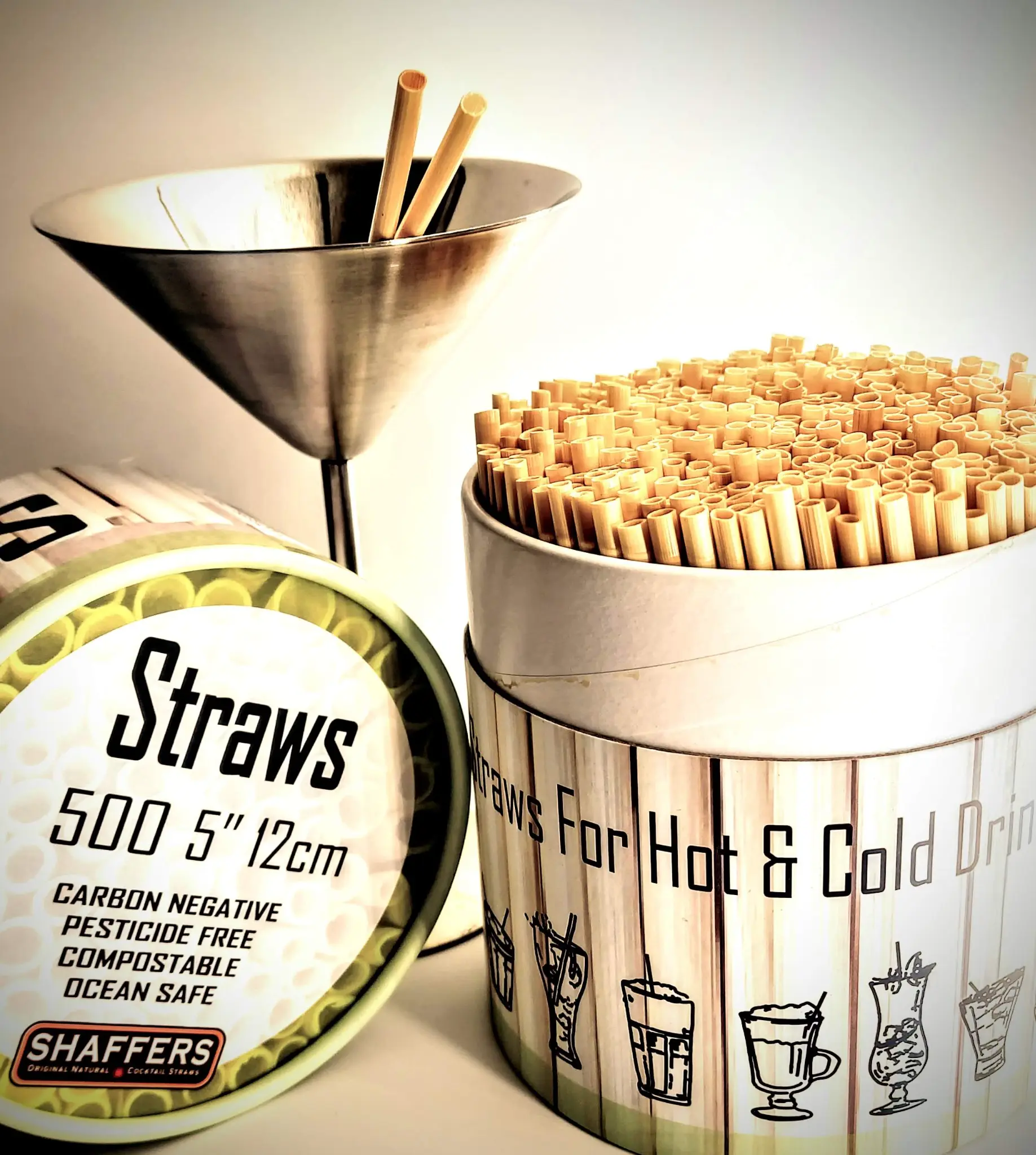
The result is a 4mm hollow grass stem. No processing. No additives. No PFAS. No adhesive. No coating. Nothing in the straw except the straw. It holds its structure for the full duration of a drink. It is compostable in both home and industrial compost environments. It is ocean safe. It is pesticide free. It is allergen free. It is, by any reasonable measure, the best straw available for thin drinks — espresso, iced coffee, cocktails, highballs, sparkling water, wine, champagne.
Rye growing at our founding Canadian partner farm, Fraser Valley. The hollow stem develops naturally as the plant matures.
The Return
The gentleman at the Criterion in 1887 did not think about his straw. He picked it up, sipped his gin fizz, and set it down. The straw did its job without announcing itself. That is the standard. The paper straw era failed that standard spectacularly — it announced itself constantly, through its collapse, its flavour transfer, its structural inadequacy. The natural straw meets the standard. It does its job without announcing itself.
The revival is not complete. Natural natural straws are still a niche product, available through a small number of wholesale suppliers. But the direction of travel is clear. The craft cocktail bars, the boutique hotels, the specialty coffee roasters, the farm-to-table restaurants — the venues that have built their identity around provenance and quality — are finding their way back to the original straw. Country cool, it turns out, was always there. It just needed to be rediscovered.
Wholesale Enquiries
Serve the straw with a story.
Naturally Straws is available wholesale to bars, hotels, cafes, distilleries, and hospitality groups. Locally grown. No processing, no additives, no PFAS. Just the original straw.
Ask the Mixologist
Just Gerald's
Ask me anything about cocktails, our straws, wholesale pricing, partner farm programme, or available territories. I'm Just Gerald — mixologist's best friend, farmer, and straw obsessive.
Ask the Mixologist · Naturally Straws